Cambodia Travel Guide: Angkor What??
11 min read

How to travel in Cambodia? Where should we go?
Cambodia is a popular stop on the route for backpackers in Southeast Asia. The fact that the visa process is so easy is an added bonus for us. The capital of Cambodia is Phnom Penh, but the most visited city is Siem Reap, thanks to Angkor Wat.
Angkor Wat is the world's largest religious monument, and watching the sunrise there is a must-do experience in itself!
As you stroll among thousand-year-old temples, be prepared to be embraced by the warmth of tropical nature, discover street food, and feel the authenticity of Khmer culture.

General Information
Cambodia can be described as the surviving legacy of the Khmer Empire. The structures built by the Khmer Empire, which once dominated Southeast Asia and ruled as a magnificent empire for a long time, now constitute the country's must-see tourist attractions.
The capital Phnom Penh and the tourist city Siem Reap are the country's most popular destinations. The official language is Khmer, but English is usually sufficient in tourist areas. Most hotel staff, vendors, and tuk-tuk drivers you'll interact with speak very good English, so don't worry about encountering any difficulties.
The country's main sources of income are agriculture and tourism, and indeed, you'll see many rice fields as you travel around. You'll also find plenty of mango and cashew trees (the cashews from here are delicious).
Cambodia does require a visa, but the process is easy: you can apply for an e-visa online before you travel, or get a visa on arrival. We went with the e-visa and walked straight through passport control — you just need to bring the printout. Fees and rules change, so check the official e-visa site before you go.

Angkor, located near Siem Reap, was once the center of the Khmer Empire, one of the most powerful civilizations in Southeast Asia. Founded in the 9th century, this great city remained the political, religious, and cultural heart of the region for nearly six hundred years.
Angkor's most glorious period was particularly during the 12th and 13th centuries. During this time, the Khmer kings established a highly advanced civilization, constructing massive temples, aqueducts, and cities. Angkor Wat, one of the world's largest religious structures today, was built during this period by King Suryavarman II. Later, King Jayavarman VII established a new capital, Angkor Thom, and commissioned the construction of many important structures, such as the Bayon Temple.By the 15thcentury, the Khmer Empire began to weaken, and the capital was moved to another region. Angkor was gradually abandoned and remained hidden in the forests for centuries. Its rediscovery by Western explorers in the 19th century brought Angkor back to worldwide attention.


The currency of Cambodia is the Riel, but US dollars are accepted almost everywhere, which makes things easier. Frankly, you don't necessarily need to exchange money; just using dollars will suffice. Besides, they give change in Riel when you shop, so you'll have local currency on hand anyway.
Credit cards are accepted in Cambodia's main tourist areas. You can pay with a credit card in luxury restaurants and hotels. However, mid-range restaurants and hostels generally only accept cash, and even then, mostly in dollars.

Khmer culture also includes the Apsara dance, which I highly recommend you see when you come here. This traditional Khmer dance, whose origins date back to the Angkor era, is inspired by the celestial dancers depicted in the reliefs on the temple walls. Known for its graceful hand movements and slow, fluid figures, the Apsara dance was once an important part of special ceremonies held in the royal palace. Considered one of Cambodia's most important cultural heritages, watching it will make you feel the richness of Khmer culture even more.

Places to visit in Cambodia
Angkor Wat
Angkor Wat, the world-famous temple complex, is Cambodia's most iconic structure. The view, especially at sunrise, is truly unforgettable. I chose to put down my camera and just watch; it's difficult to describe the atmosphere in words.
Angkor Thom
Located very close to Angkor Wat, this ancient city was once the capital of the Khmer Empire. The temples and massive gates within the city demonstrate the magnificence of the Angkor civilization.
Bayon Temple
Located in the heart of Angkor Thom, the Bayon Temple is famous for its giant, smiling face sculptures on its towers. The intricate reliefs within the temple transport you to another world.
Ta Prohm
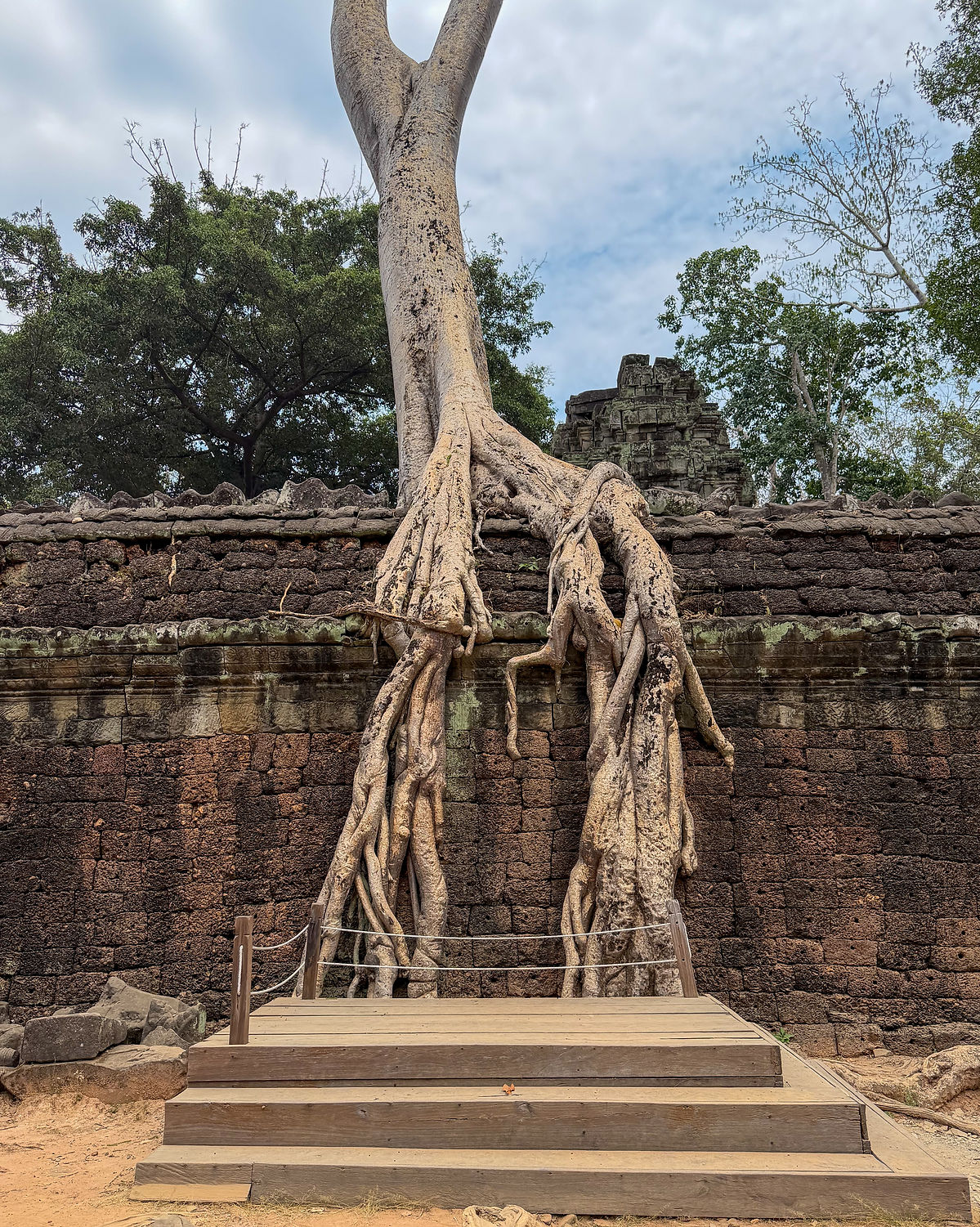
One of the most impressive places where nature and the temple are intertwined. This temple, where giant tree roots rise from between the stone walls, also gained fame with the Tomb Raider movie.
Tonle Sap Lake
Seeing the floating villages on Tonle Sap, one of Southeast Asia's largest freshwater lakes, is quite an impressive experience. You can observe life in the region with a short boat tour.
Phnom Penh Royal Palace
The Royal Palace in Phnom Penh, the capital of Cambodia, is one of the finest examples of traditional Khmer architecture. The temples and museums within the palace complex are quite impressive.
S-21 Museum and Killing Fields
This is an important stop for understanding Cambodia's recent history. These places, which recount the painful memories of the Khmer Rouge era, can deeply affect you.
Kampot & Kep
One of Cambodia's quieter and more peaceful towns. Ideal for those seeking fresh seafood, natural scenery, and a relaxed atmosphere. Visiting the famous pepper fields in Kampot is a truly delightful experience.

Things to See in Siem Reap
Siem Reap, besides being the gateway to the Angkor temples, is a vibrant city with its culture, nature, and nightlife. Here are some of the best activities you absolutely must experience in Siem Reap:
Watching the Apsara Dance Performance
An important part of Khmer culture, the Apsara dance is a truly impressive experience with its graceful movements and traditional costumes.
Walking Around Pub Street at Night
Pub Street, the liveliest spot in Siem Reap, has a vibrant atmosphere in the evenings with its bars, restaurants, and venues featuring live music.
Shopping at the Night Market
One of the best places to buy souvenirs in Siem Reap is the night markets. Here you can find handmade goods, textiles, and local snacks.
Hiking in Phnom Kulen National Park
Located about an hour from Siem Reap, Phnom Kulen is a wonderful getaway for nature lovers with its waterfalls and natural beauty.
Bamboo Train Experience in Battambang
Located in Battambang, a city near Siem Reap, the bamboo train consists of a simple platform that moves along rails and they said it's quite a fun experience. We didn't have the chance to try it, but I'll keep it in mind if I go to Cambodia again.

You can also check out my other post for a more detailed look at the temples in Angkor. I also wroteabout our Angkor Wat experience because there was so much to tell.
If you would like to learn more about the temples, you can checkthe following links.
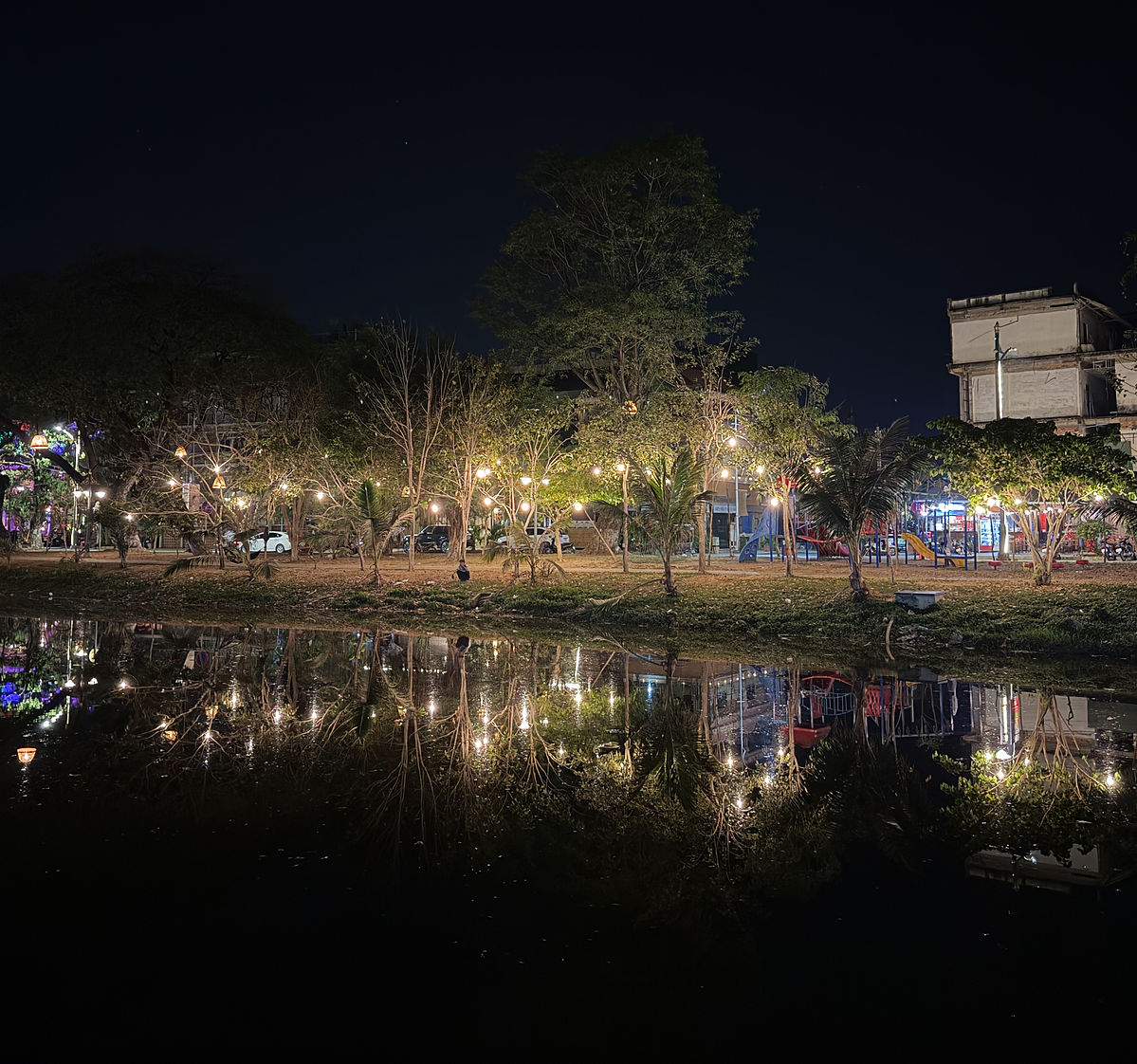

Nightlife in Siem Reap – The Colorful World of Pub Street
Siem Reap, where you can immerse yourself in history and be captivated by the magic of its temples during the day, takes on a completely different energy after sunset.
Pub Street, considered the heart of the city, is the center of Cambodia's nightlife. With its colorful lights, music blaring down the street, and friendly crowds, it's truly Cambodia's entertainment hub!
Here, bars, nightclubs, cocktail bars, and outdoor cafes are lined up side-by-side. In venues with live music, you can listen to local bands as well as enjoy pleasant evenings filled with international songs.
Among the most popular spots are Temple Bar, Angkor What? Bar, and Laundry Bar. Each offers a different atmosphere: some have a dance floor, some a relaxed terrace area, and others are perfect for chatting over a cold Angkor beer.
Pub Street is also home to a night market and street vendors. After your temple tour, you can stop by here to sample local street food and get an energetic start to the night.
Tip:Pub Street is generally a safe and tourist-friendly area. However, it's a good idea to keep an eye on your bags and belongings during peak hours.

Night Market
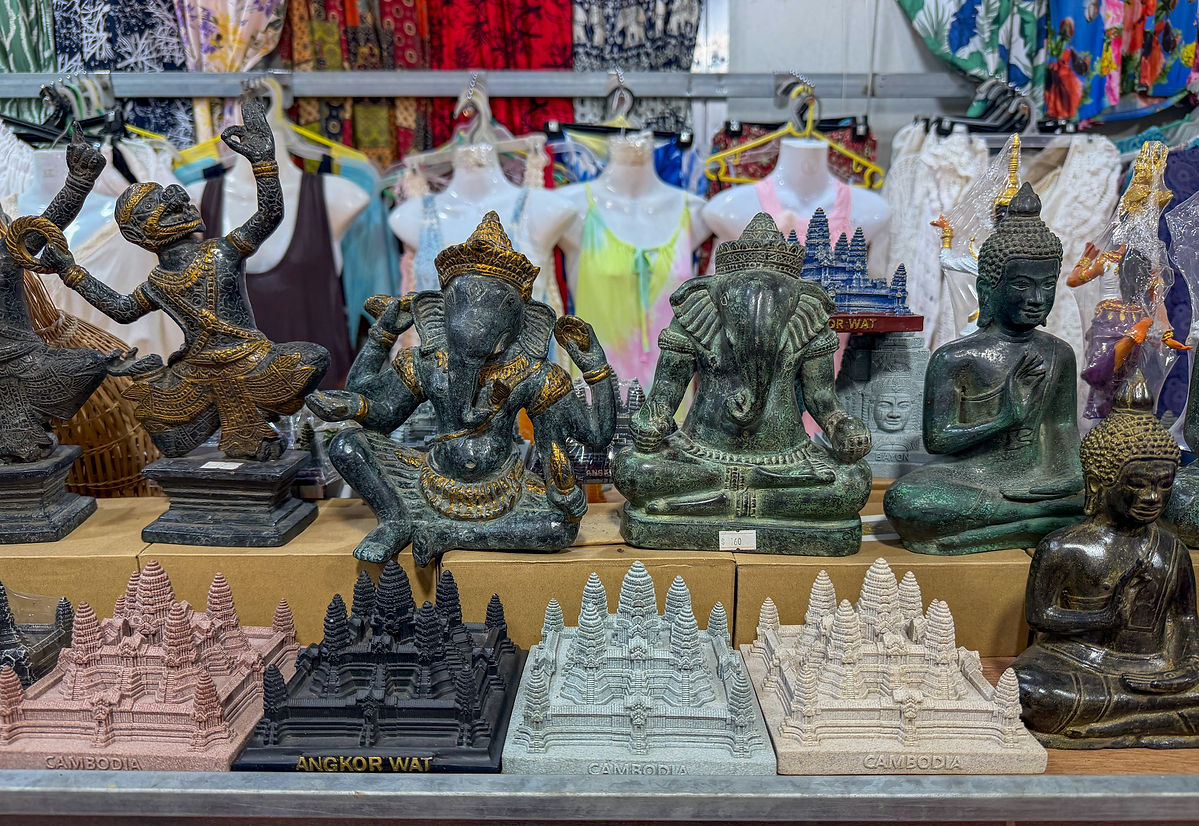
If Pub Street isn't your style, you'll definitely enjoy exploring Siem Reap's night markets. Here you can find everything from fantastic imitations (better in both price and quality than what you'll find in Vietnam and Laos) to food, clothing, and handicrafts. If you want to buy authentic souvenirs for your loved ones, be sure to visit.
We spent a few hours wandering around the market and thought we could have done even more shopping if our suitcases had been a little lighter. It's a must-do activity on any Siem Reap trip, so don't forget to visit, at least for a short while.



Transportation
Cambodia has no direct long-haul flights, so you'll connect through a regional hub.
Easiest route: Istanbul Bangkok / Singapore Siem Reap
Alternatively (my suggestion): Istanbul MalaysiaSiem Reap

Arrival in Siem Reap
You can obtain your visa upon arrival in Siem Reap. Prepare the form you will fill out on the plane, and bring 30 USD in cash and one passport photo. (If you don't bring a photo, you may have to pay an extra fee because they scan your passport photo at the airport.)
Transportation from the airport to the city center:
The new Siem Reap-Angkor International Airport is about 45 km from the city centre, so it is no longer the short hop it used to be. We paid $20 for our transfer. Prices change, so ask your hotel whether they offer a free transfer before you book.
Many hotels offer free airport transfers; you can check your reservations in advance to see if your hotel offers this service.
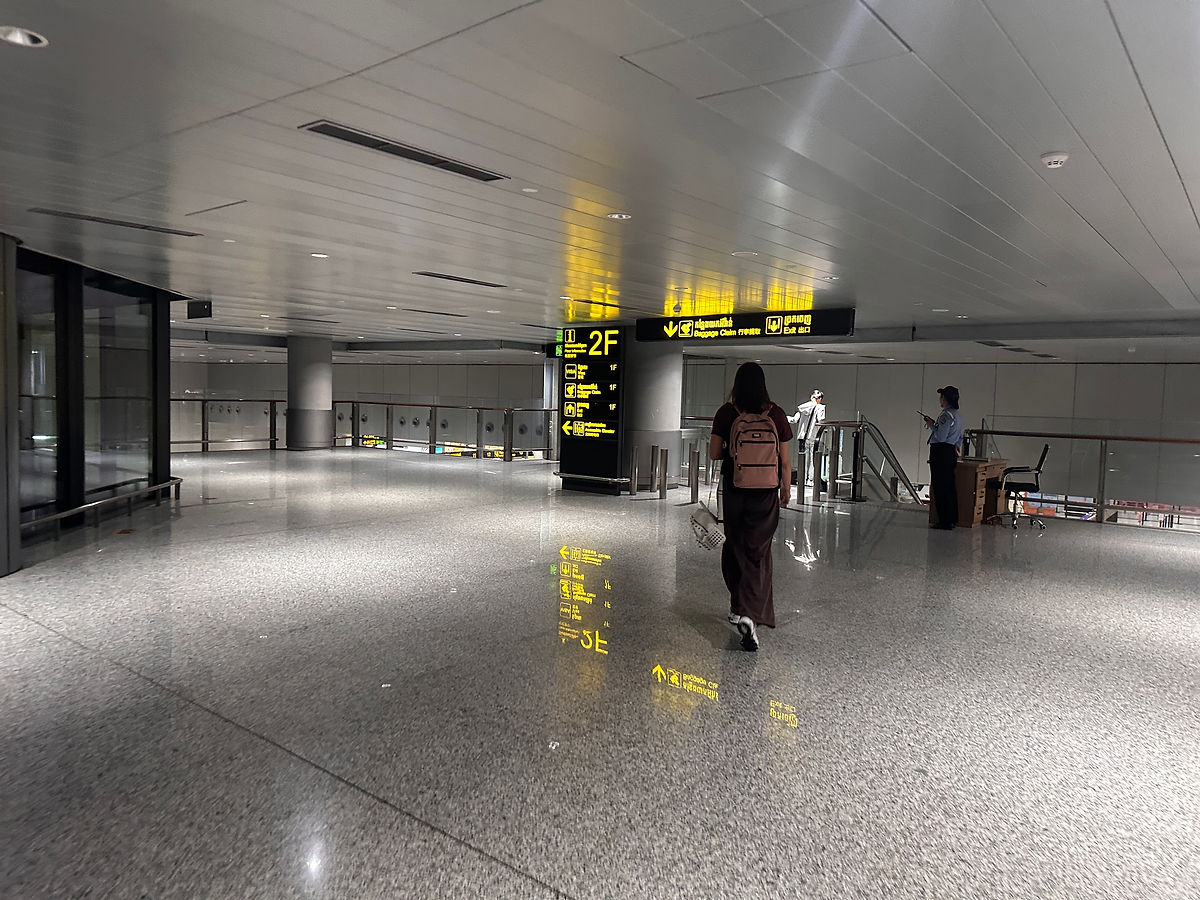
From Siem Reap city centre, it takes about 15-20 minutes to reach the Angkor temples.
The most common transportation options for visiting the temples are: tuk-tuk rental, bicycle, scooter, private car + guide.
Most travelers take full-day tours by tuk-tuk. You agree on the price per day, usually around $25; I'll leave you the number of the best tuk-tuk driver (+85593389779). If you contact Tiger, they will arrange a vehicle for you even if they are not available themselves.
Tuk-tuks are lifesavers in Phnom Penh and Siem Reap. I particularly enjoyed taking a tuk-tuk for a temple tour; it's both flexible and fun. For longer distances, you can opt for buses or short flights. Motorbike rentals are also common within the country.


When is the best time to go?
Cambodia has two seasons: a dry season and a wet season when the rains begin. The best time to visit Siem Reap is between November and March, which is the dry season.
June to October is the rainy season, bringing high humidity and strong winds, which can make outdoor exploration a bit more challenging.


December – February: Cambodia's Peak Season
December is the peak tourist season in Cambodia. The weather is mild; rain is rare and humidity is almost nonexistent. Despite being a Buddhist country, Christmas trees, decorations, and celebratory events add color to the cities throughout December.
Hotels usually book up well in advance, so if you're planning a trip in December, it's a good idea to book early.
January can be even busier than December; popular spots like Angkor Wat and Phnom Penh see huge crowds.
March is the month of peak tourist season due to the equinox. During the equinox, day and night are equal, and the sun rises directly above the central dome of Angkor Wat, creating a breathtaking spectacle that photographers eagerly await.

June – September: Rainy Season
In Cambodia, the rainy season begins in June. Humidity can reach up to 80%, and heavy downpours begin. The rains cool the air and transform the countryside into a pristine white and lush green landscape. Rice fields fill with water, and rivers overflow, making it one of the best times to visit the countryside. Tonle Sap Lake expands to five times its normal size, creating numerous floating villages and submerged forests. Furthermore, Angkor Wat is almost never crowded.
In short, the dry season offers Southeast Asia a perfect starting point for backpackers who want to enjoy the sun or explore city life.

Accommodation
Accommodation options vary depending on the budget. There are options ranging from hostels to boutique hotels.
Where to stay in Siem Reap?
Here are five main areas to stay in Siem Reap:
Charles de Gaulle Boulevard
Located just outside the city center, this area is surrounded by luxury resorts and hotels. It's also conveniently situated for accessing the main temples. It's ideal for those who want to spend the day exploring the temples and then relax in a quiet, comfortable environment in the evening.
French Quarter
Known for its colonial architecture and elegant atmosphere, the French Quarter is one of Siem Reap's most stylish areas. It's home to boutique hotels, art galleries, luxury restaurants, and charming cafes. If you're looking for a quieter yet more refined accommodation experience, the French Quarter is ideal for you.
Pub Street / Old Market Area (Most Popular Area)
The very heart of Siem Reap! Located just steps from Pub Street and the Night Market, this area is known for its vibrant atmosphere. A wide range of accommodations are available, from budget-friendly hotels to mid-range options. It's a hub for entertainment at night and shopping during the day.
We chose this placeto stay.
Riverside/ Wat Bo
This area is close to the city center but quieter, featuring boutique hotels. It's perfect for those who want to escape the hustle and bustle of the city center. It stands out with its leaf-lined streets, traditional wooden houses along the river, and peaceful atmosphere. Here you can find small boutique hotels and tranquil cafes.
Taphul Village
Taphul Village, with its hostels, guesthouses, and budget-friendly hotels, is within walking distance of the city center. It's both quiet and conveniently located.
Suitable for:Budget-conscious backpackers.


Food and Experience
Cambodian Cuisine
As you stroll through the streets of Siem Reap, you'll be greeted by the wonderful aroma of coconut, fresh herbs, and spices. Cambodian cuisine showcases the influence of many different cultures, ranging from the rich flavors of traditional Khmer palace dishes to modern recipes inspired by Thai, French, and Vietnamese cuisines. So what makes Cambodian cuisine special? Less spicy than Thai cuisine, Cambodian dishes are distinguished by fresh herbs, coconut milk, and the world-famous Kampot pepper. The cuisine generally revolves around rice, freshwater fish from Tonle Sap Lake, and tropical fruits, resulting in its unique flavors.
One of the most famous dishes of Cambodian cuisine is the traditional Khmer dish called fish amok. Restaurants like Cuisine Wat Damnak in Siem Reap and Malis in Phnom Penh are among the best places to try amok.
While visiting Cambodia, you can explore diverse flavors, from street food to famous restaurants, or participate in interactive cooking classes where you can learn to prepare Khmer dishes alongside local chefs.
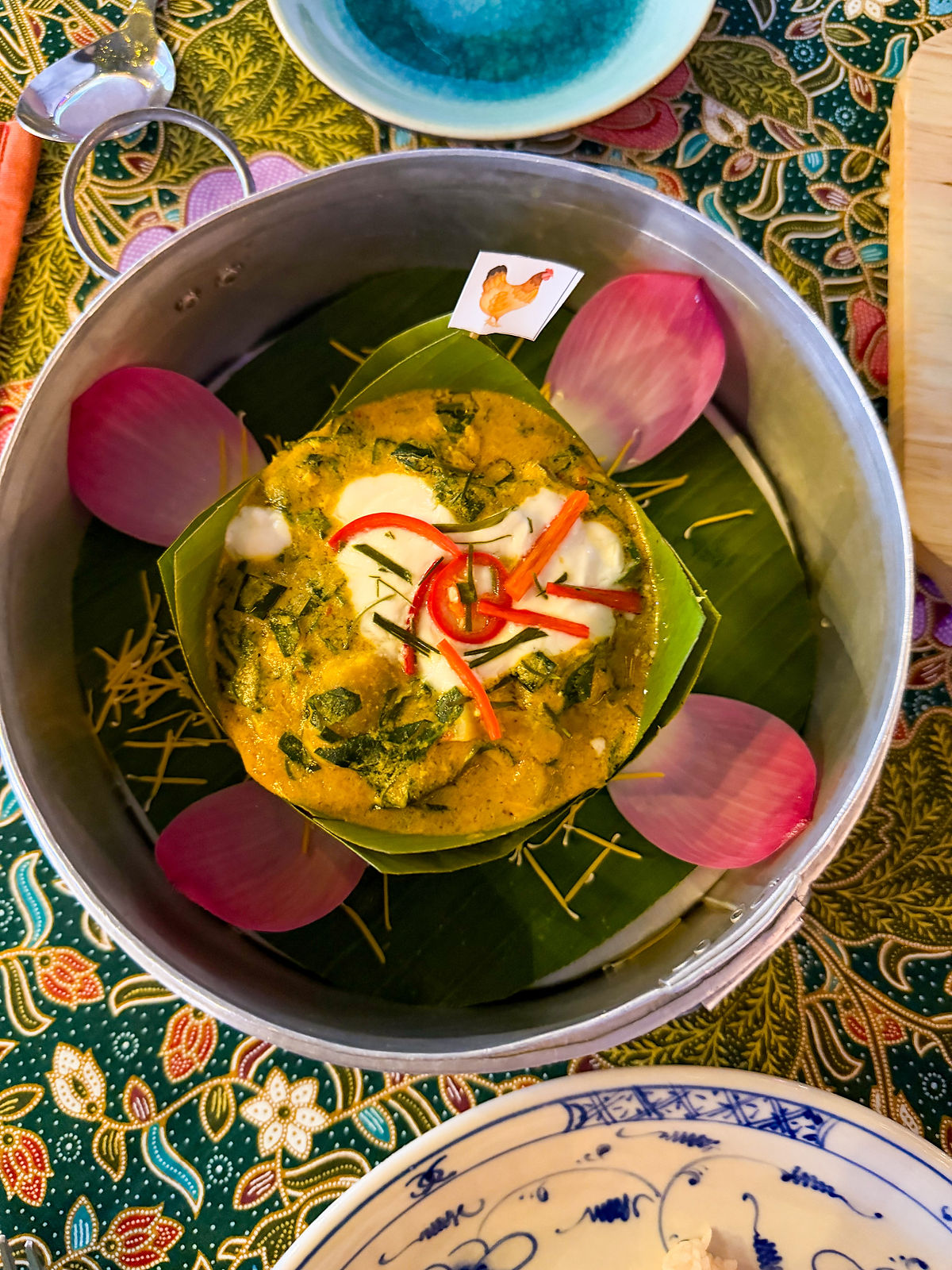
Here are some of Cambodia's most famous delicacies:
Amokis the first dish that comes to mind when you think of Cambodian cuisine!
This traditional dish, cooked with coconut milk, fish sauce, lemongrass, and spices, is usually prepared with fish, chicken, or shrimp. Steaming it in banana leaves gives it a special flavor and presentation. It's one of the most authentic dishes you should try in Siem Reap.
Lok Lakis another classic Cambodian dish, prepared with spiced beef cooked in a cast-iron pan. It's usually served with fresh vegetables, rice, and a lemon-pepper sauce. Simple but incredibly delicious!
Nom Banh Chokis a staple of Cambodian breakfast tables. This dish, made with rice noodles mixed with fresh herbs, cucumber, bean sprouts, and sometimes fish sauce, is frequently found at morning markets.
Street Food:Siem Reap's night markets offer dozens of different snacks to discover: fried insects, banana pancakes, fresh fruit smoothies, and noodle boxes… If you're brave enough, you can even try fried crickets or grasshoppers!

While traveling through Asia, we looked for 7-Elevenin almost every country. In Cambodia, while not yet on every corner, there are small convenience stores that can be considered its equivalent. These stores are real lifesavers when you need water, snacks, basic necessities, or something quick; keep them in mind. If you need to do a slightly larger shopping trip or are looking for a shopping mall, The Heritage Walk in Siem Reap is a small but functional option. Phnom Penh, being the capital, is a much more convenient city in terms of shopping malls and modern supermarket options.


Apsara Dance
Apsara dance is one of Cambodia's most important traditional arts, with origins dating back to the Angkor era. This elegant dance is inspired by the Apsaras, the celestial dancers frequently depicted on temple walls. Known for its slow, fluid movements and delicate hand and finger gestures, Apsara dance was historically an important part of special ceremonies held in royal palaces. Today, it is considered a symbol of Cambodian culture and is often showcased to tourists, particularly during dinners at restaurants in Siem Reap.
If you want to combine dinner with Apsara dance, you need to book a restaurant that offers both food and a performance! We booked at Koulen II restaurant. Although the food and service were below average, watching the dance performance was enjoyable.

Cambodia is a country full of history, culture, and warmth. My time here filled both my eyes and my heart with joy. If you're looking for mystical temples, tropical flavors, and warm people, Cambodia is the place for you!